
How Vision Shapes Reality
ARTISTS AND PHOTOGRAPHERS WHO CHANGE THE WAY WE SEE THE WORLD
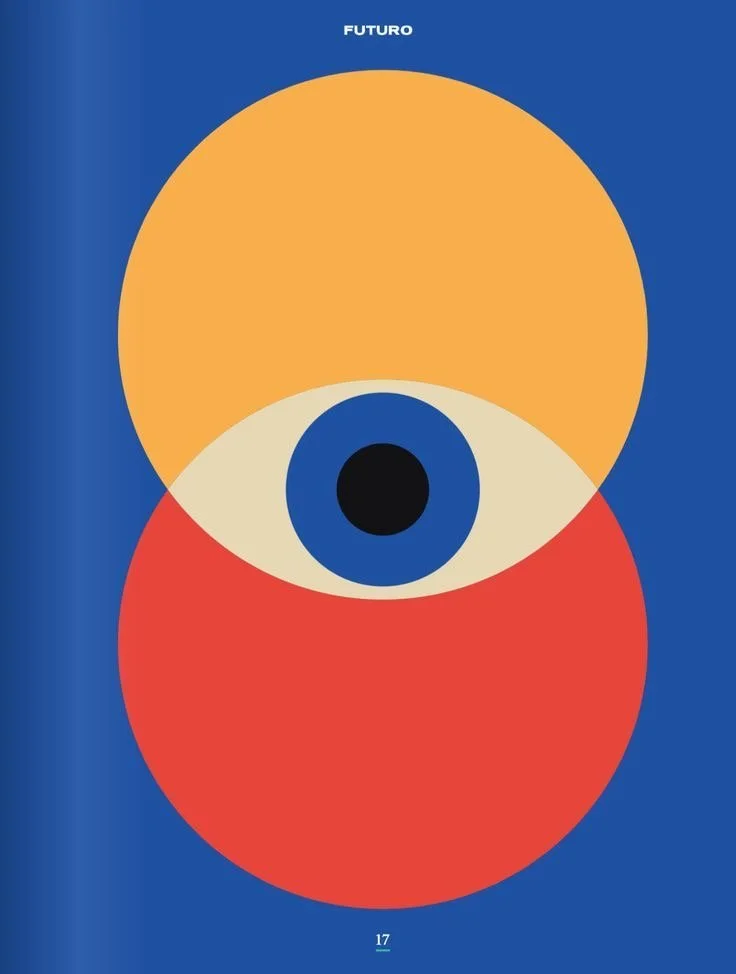
Have you ever wondered why two people can stand in the same place, look at the same thing, and yet walk away with completely different impressions?
As photographers and artists, we don’t just capture what is—we capture the way we see it. Our vision becomes a filter, shaping how viewers understand the world.
Today’s post explores how creative vision transforms reality, featuring painters and photographers who radically changed how we perceive everyday life.
Painters Who Re-Shaped Human Perception
. .
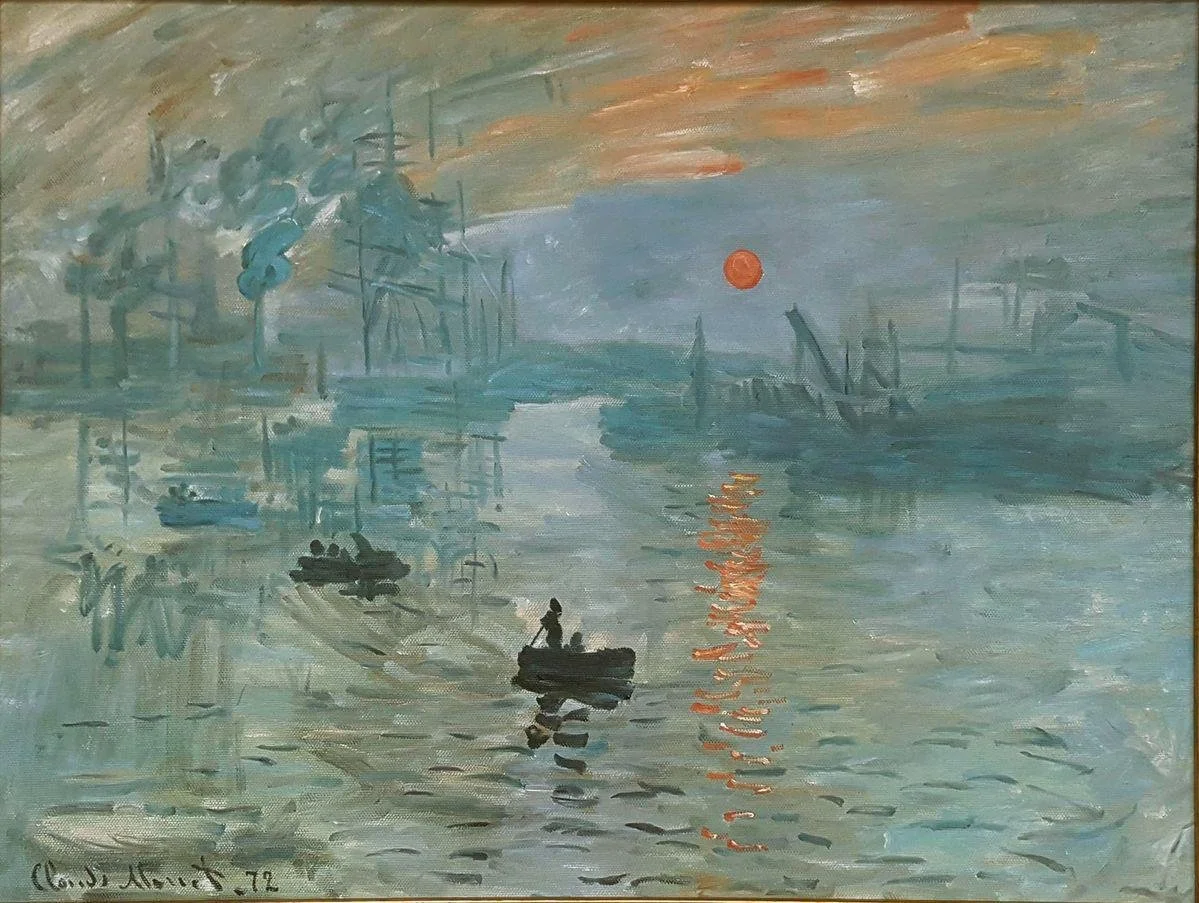
Claude Monet
—
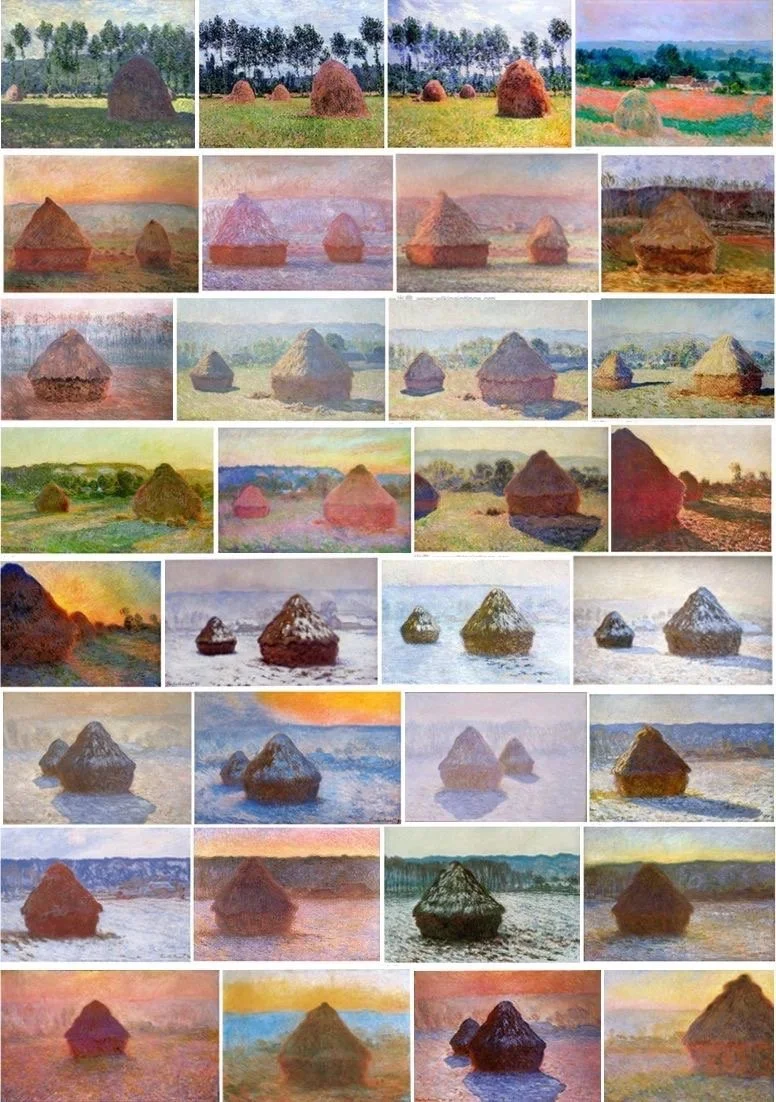
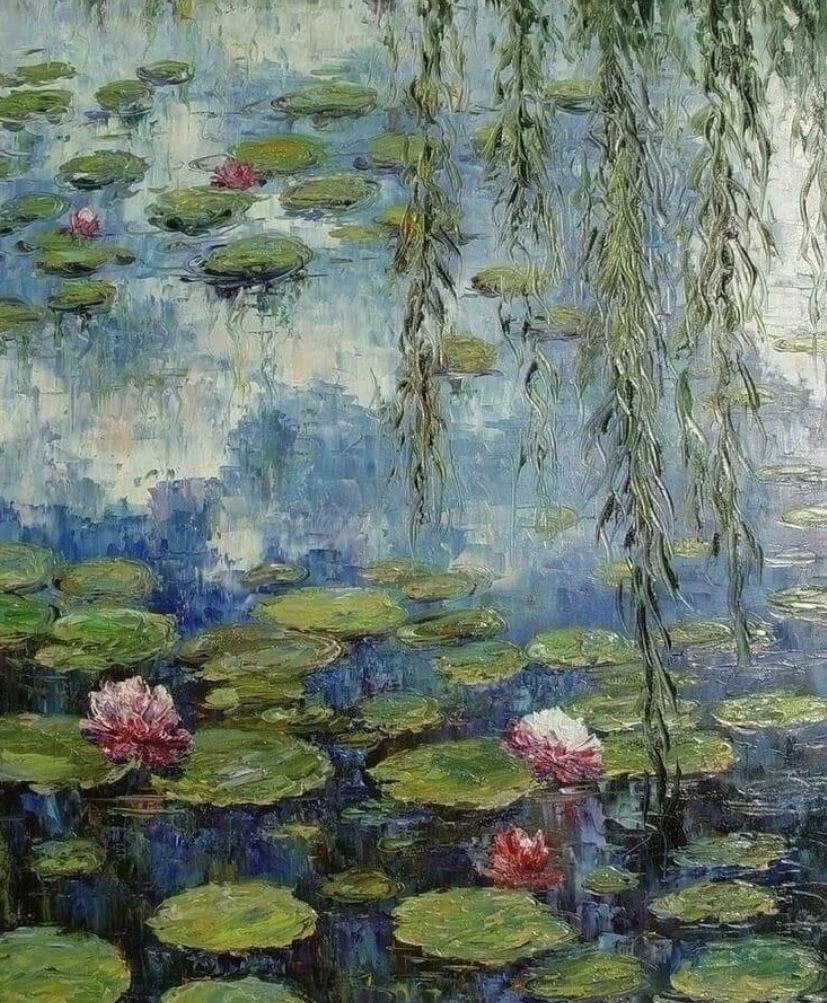
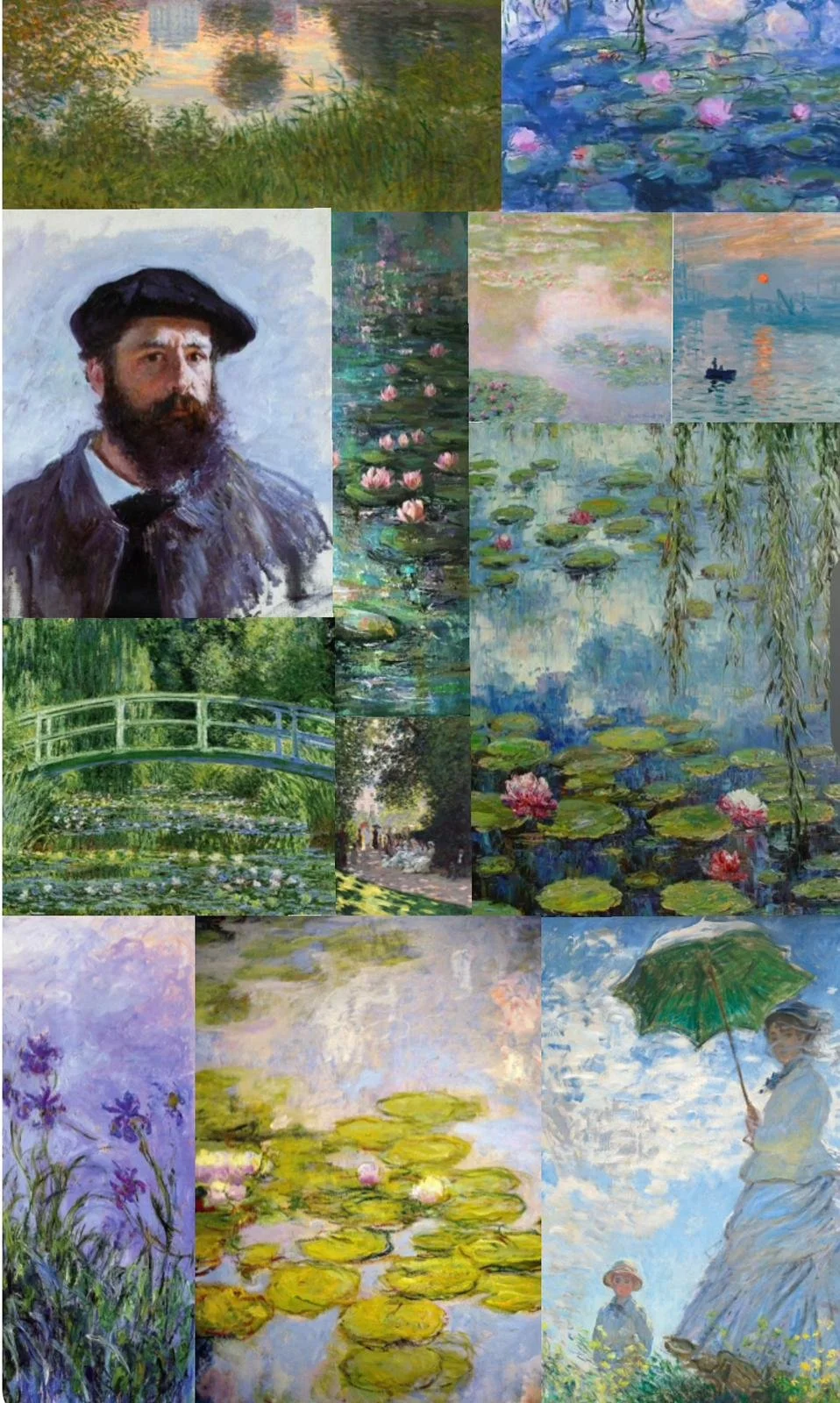
Painting Light Instead of Objects
Monet believed reality changed every second because light changed. He often painted the same scene dozens of times—sunrise, dusk, fog, frost—each version telling a different story.

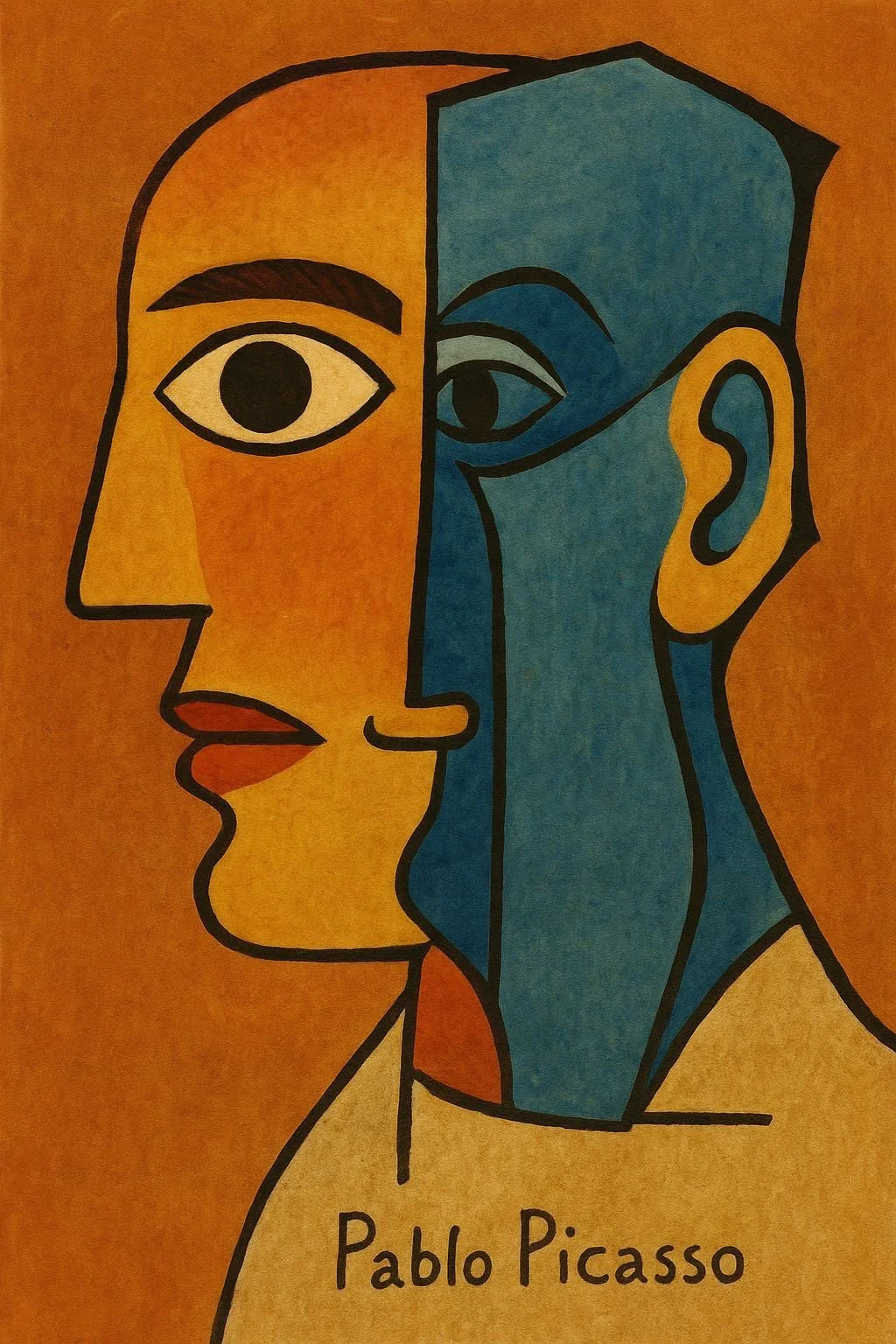
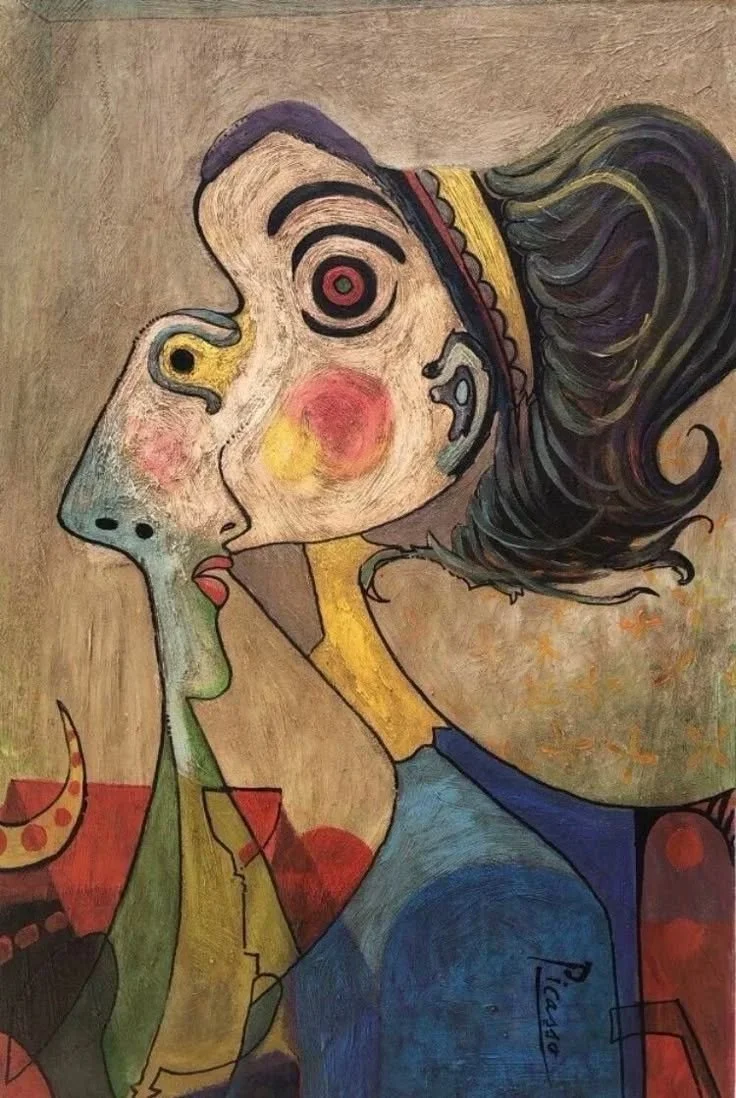
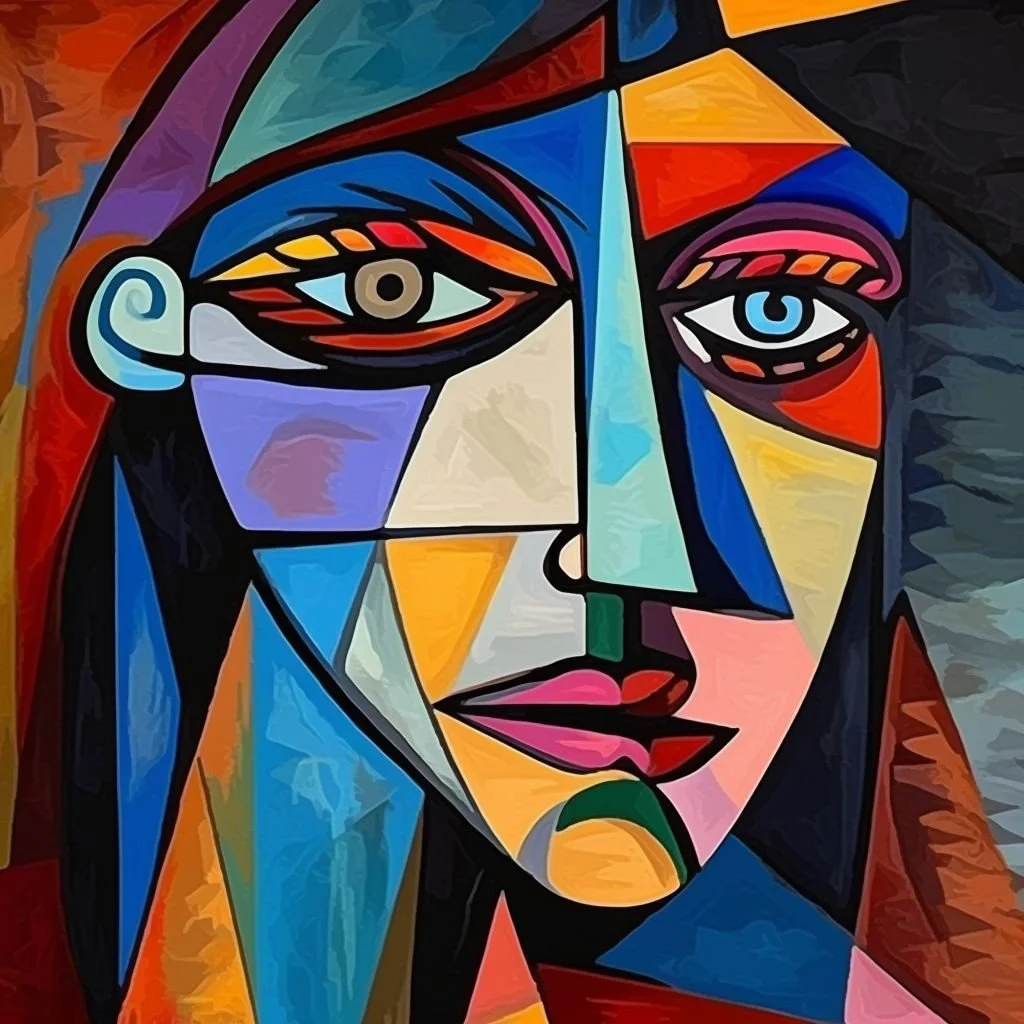
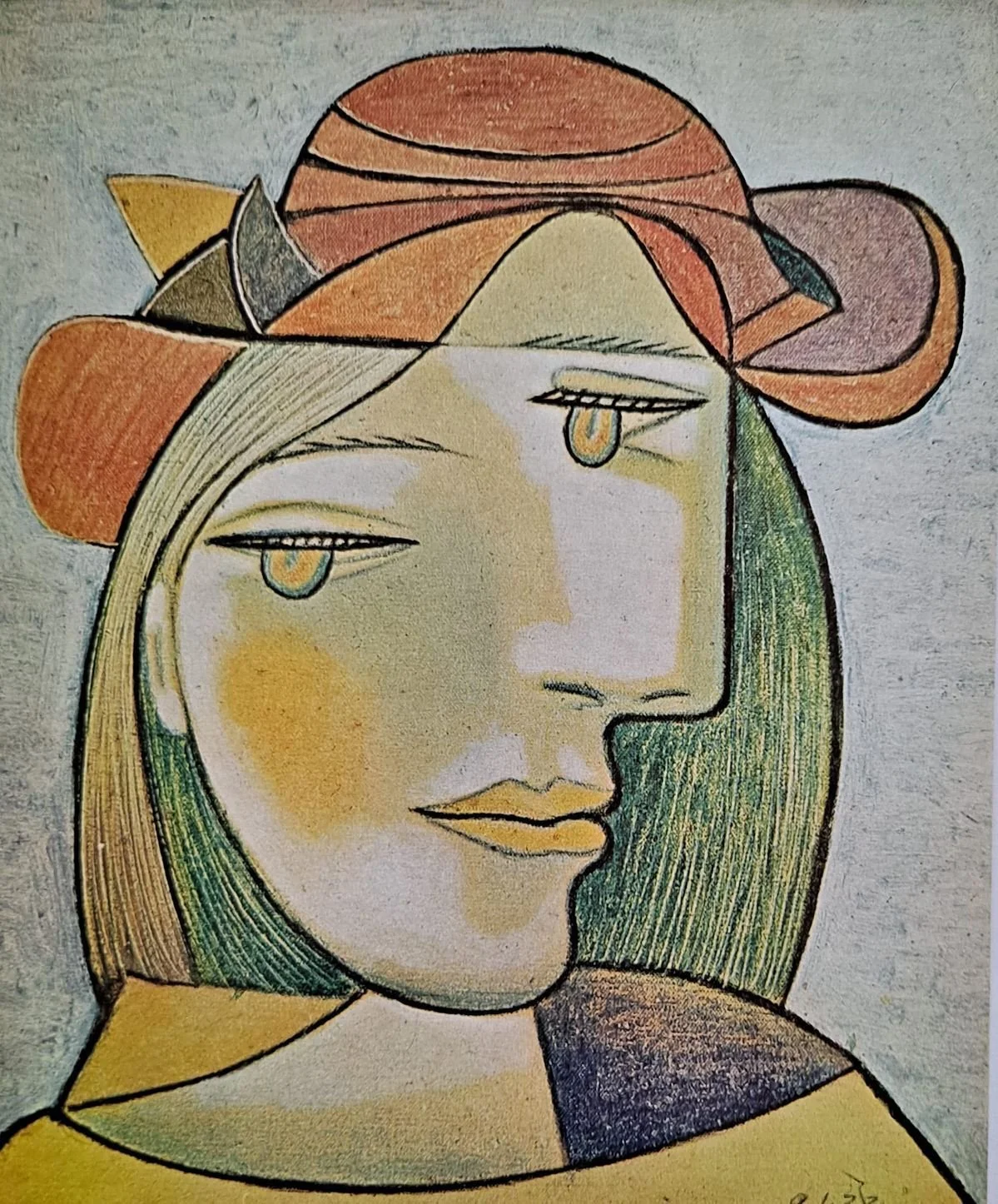
Pablo Picasso — Seeing From All Angles at Once
Picasso teaches us that truth is not singular. Your vision can show layers others don’t see.
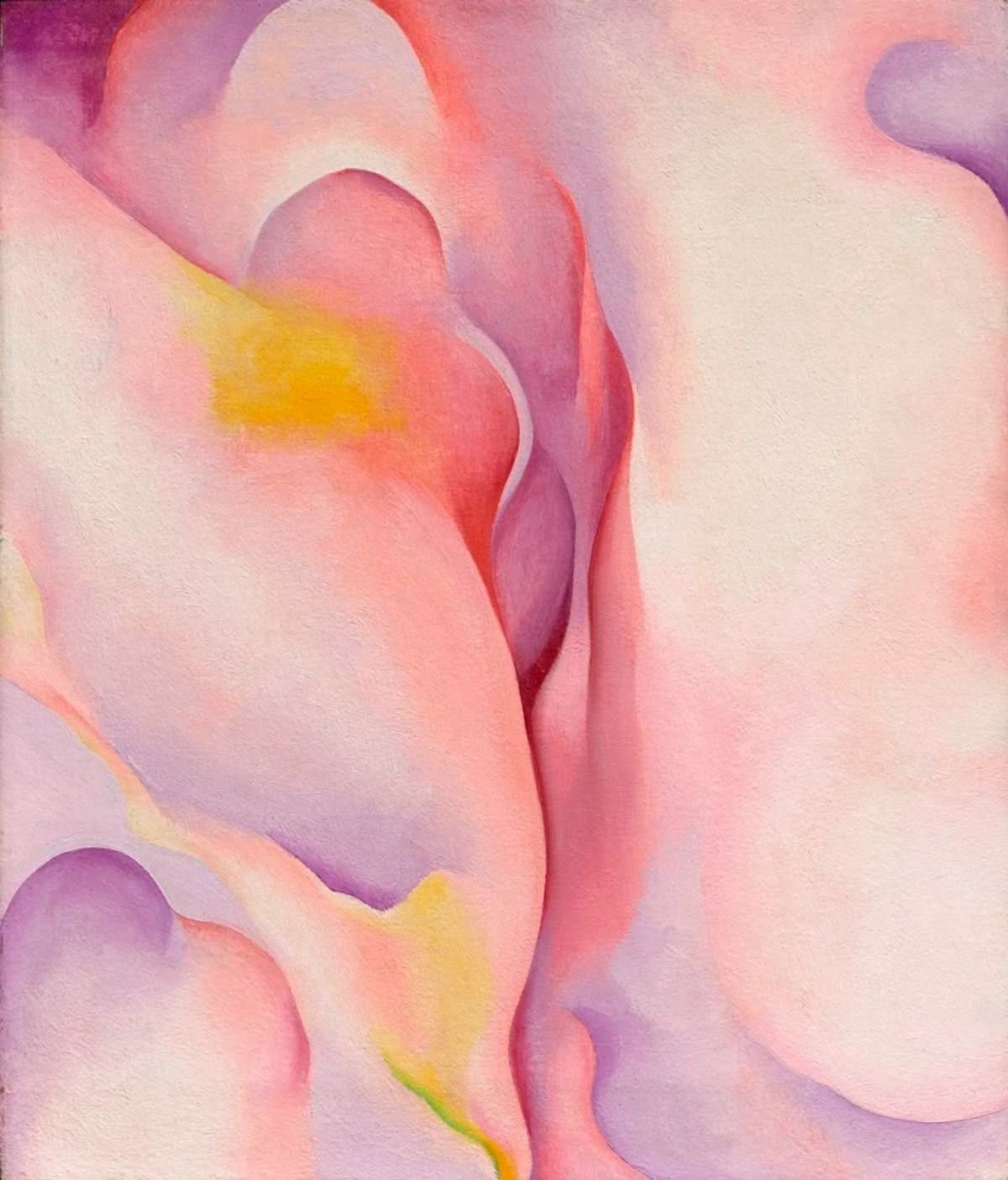
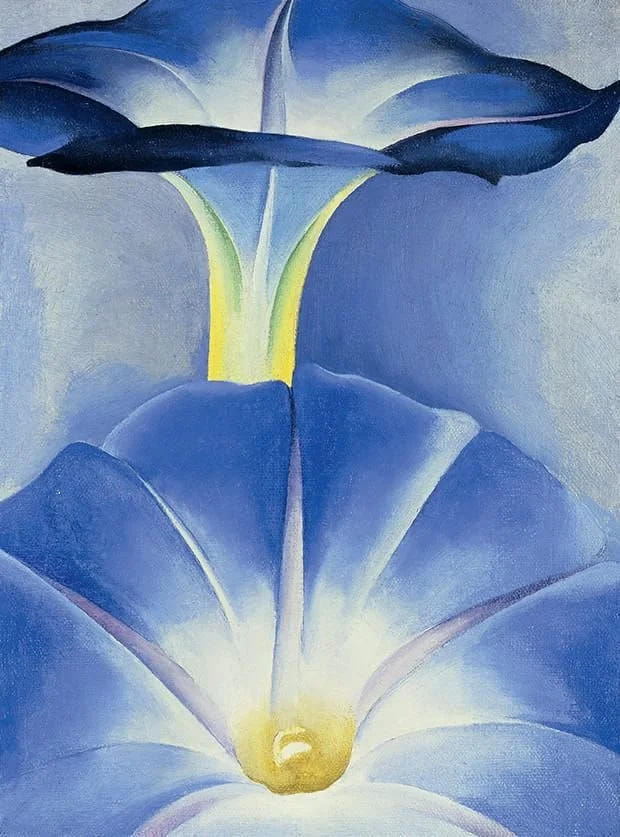
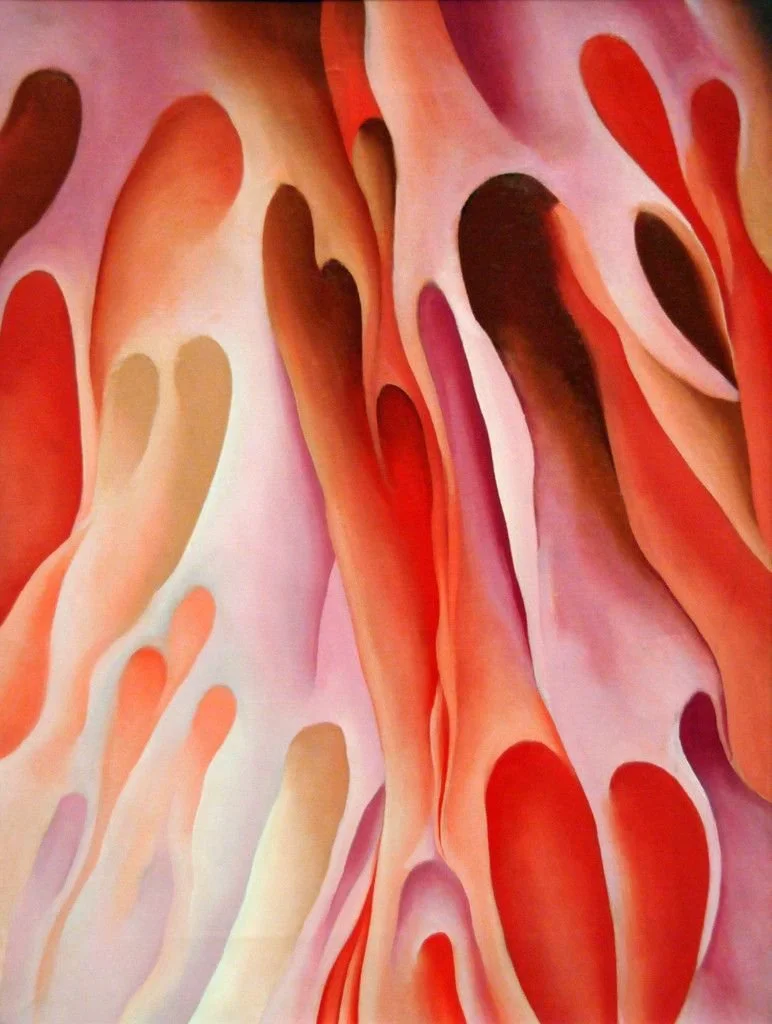
Georgia O’Keeffe — The Art of Making the Small Feel Monumental
What photographers learn from her: Macro is not about closeness—it’s about intimacy.
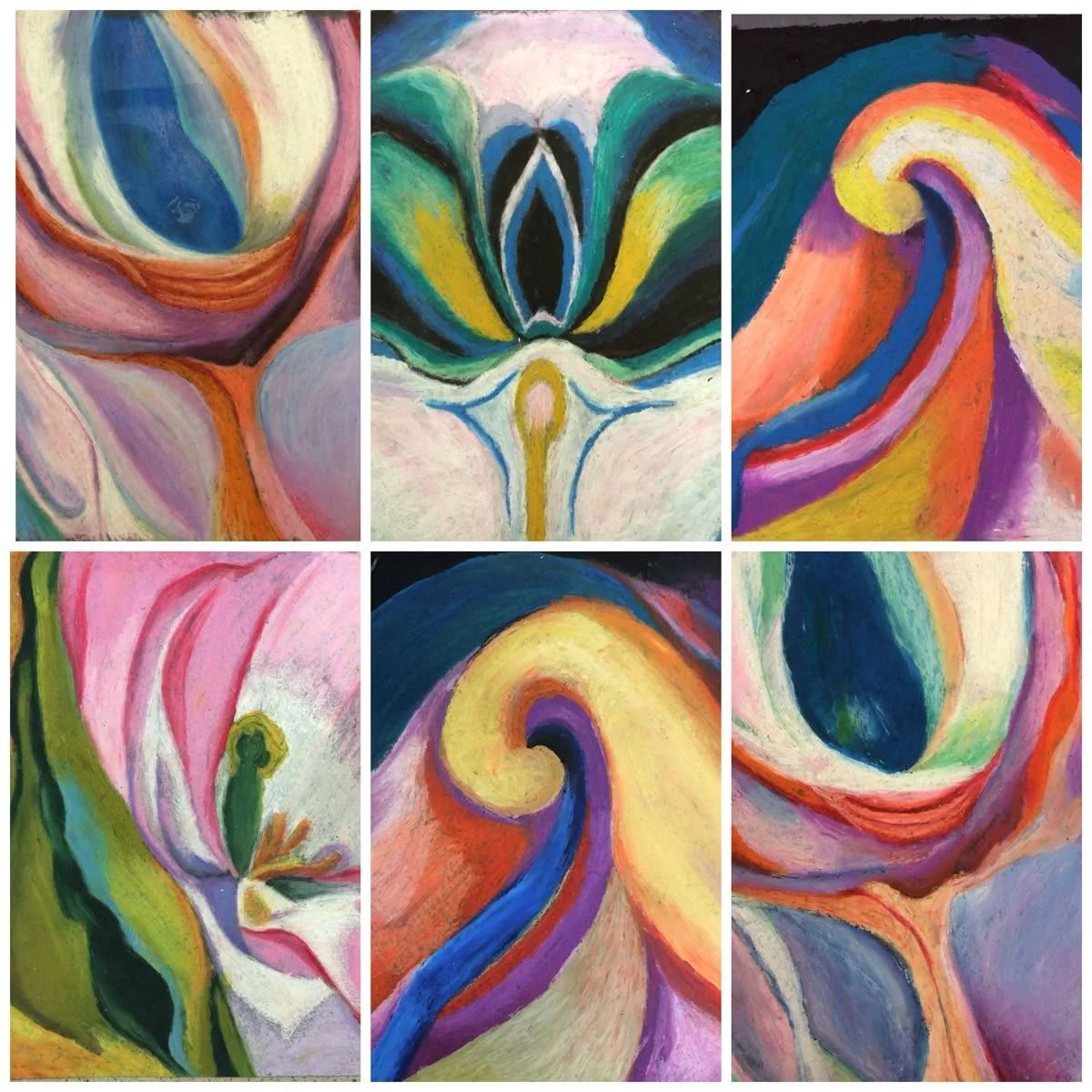
O’Keeffe took tiny, everyday details—a flower, a leaf, a bone, a shell—and transformed them into huge, powerful, abstract forms.
She believed that people never really see small things, so she enlarged them so they could not be ignored.
Photographers Who Changed What Photography Means
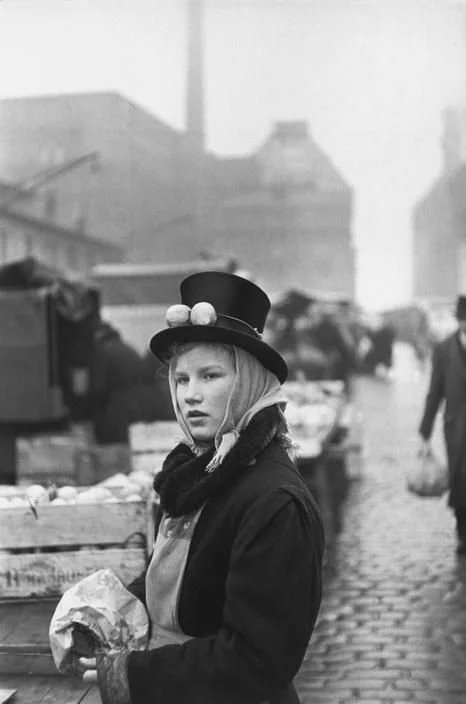
Henri Cartier-Bresson
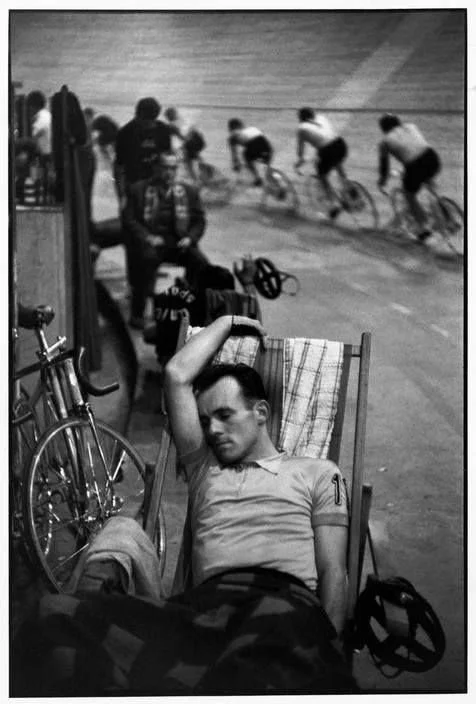
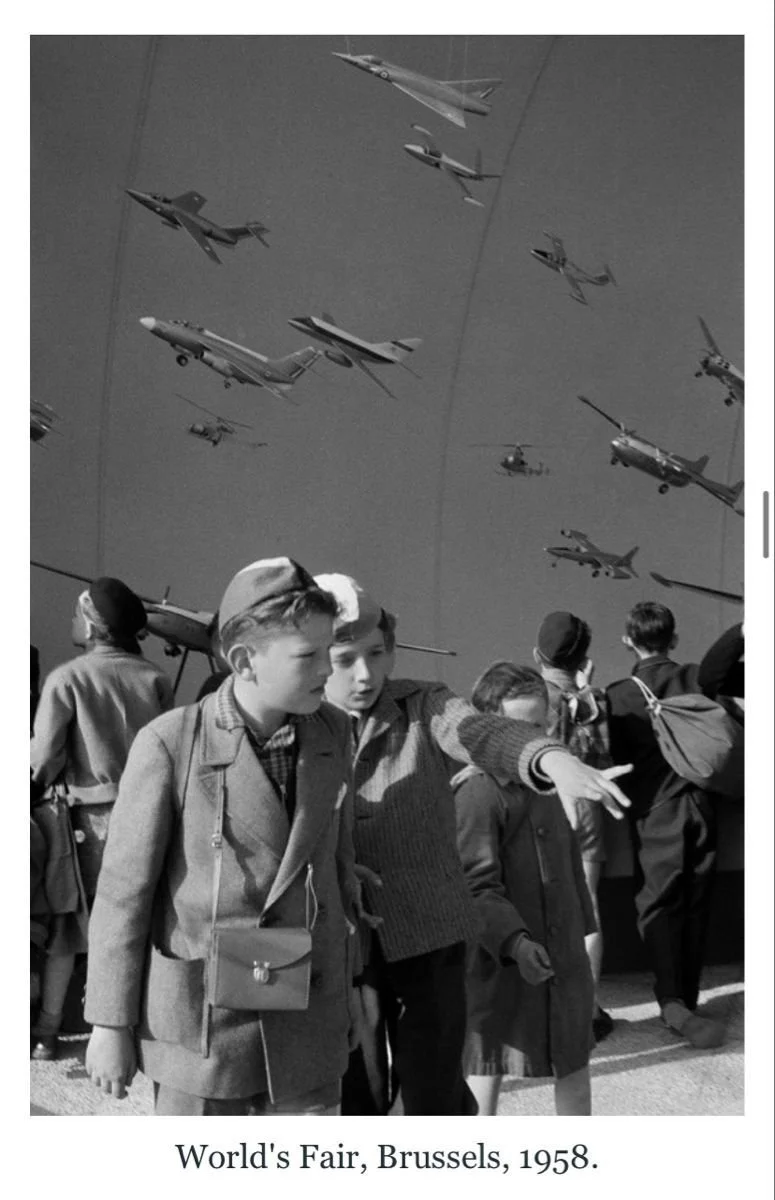
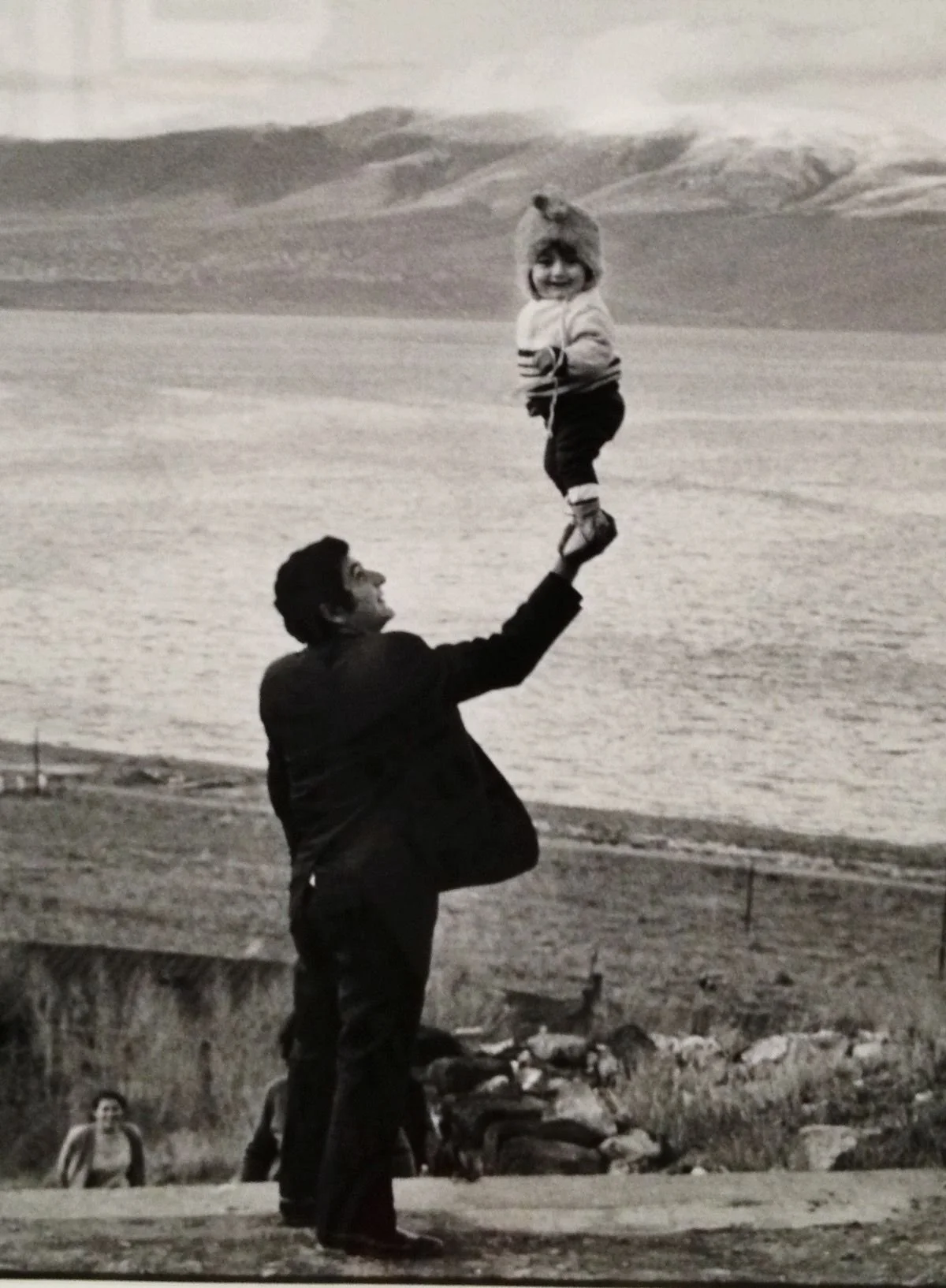
Henri Cartier-Bresson is often called the father of modern street photography, not because he documented the world, but because he taught us how to see it. His philosophy of the decisive moment reshaped the history of photography and continues to influence every photographer who seeks honesty, timing, and humanity in their work.
Cartier-Bresson practiced the art of disappearing.
With quiet movement and intense focus, he observed people without disrupting their natural behavior.
Photography, for him, was an act of patience and intuition. He compared himself to a hunter, waiting for the right moment to arise and capturing it silently.
His images feel intimate because they are: moments people lived without ever knowing they were being seen.
Vivian Maier — The Poetry of the Ordinar
Vivian Maier was a mysterious force in photography—an anonymous nanny who roamed the streets with a Rolleiflex camera, collecting moments she never showed to anyone. Her work was discovered only after her death, yet today she is celebrated as one of the greatest street photographers of the 20th century.
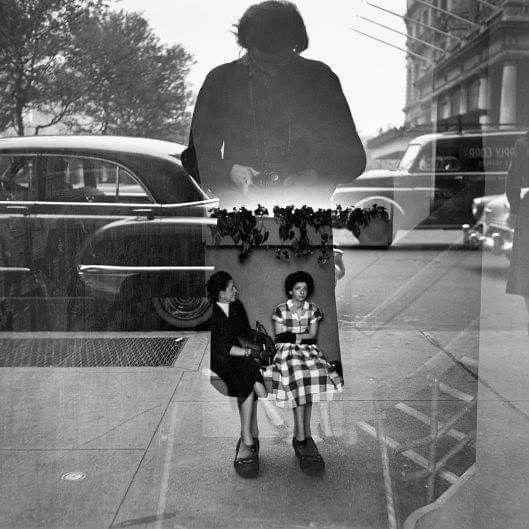
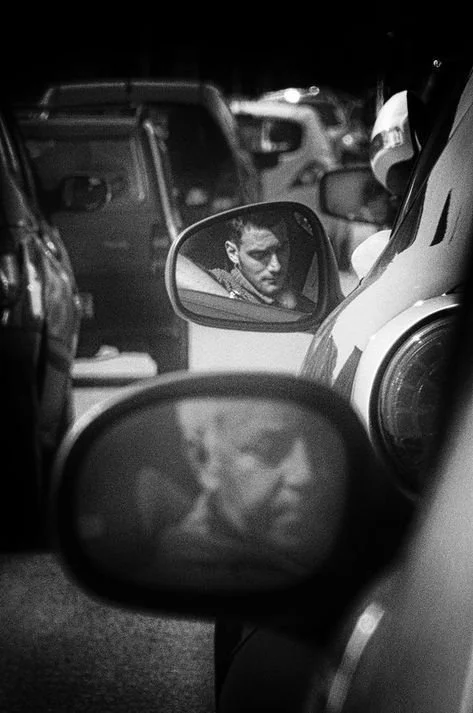
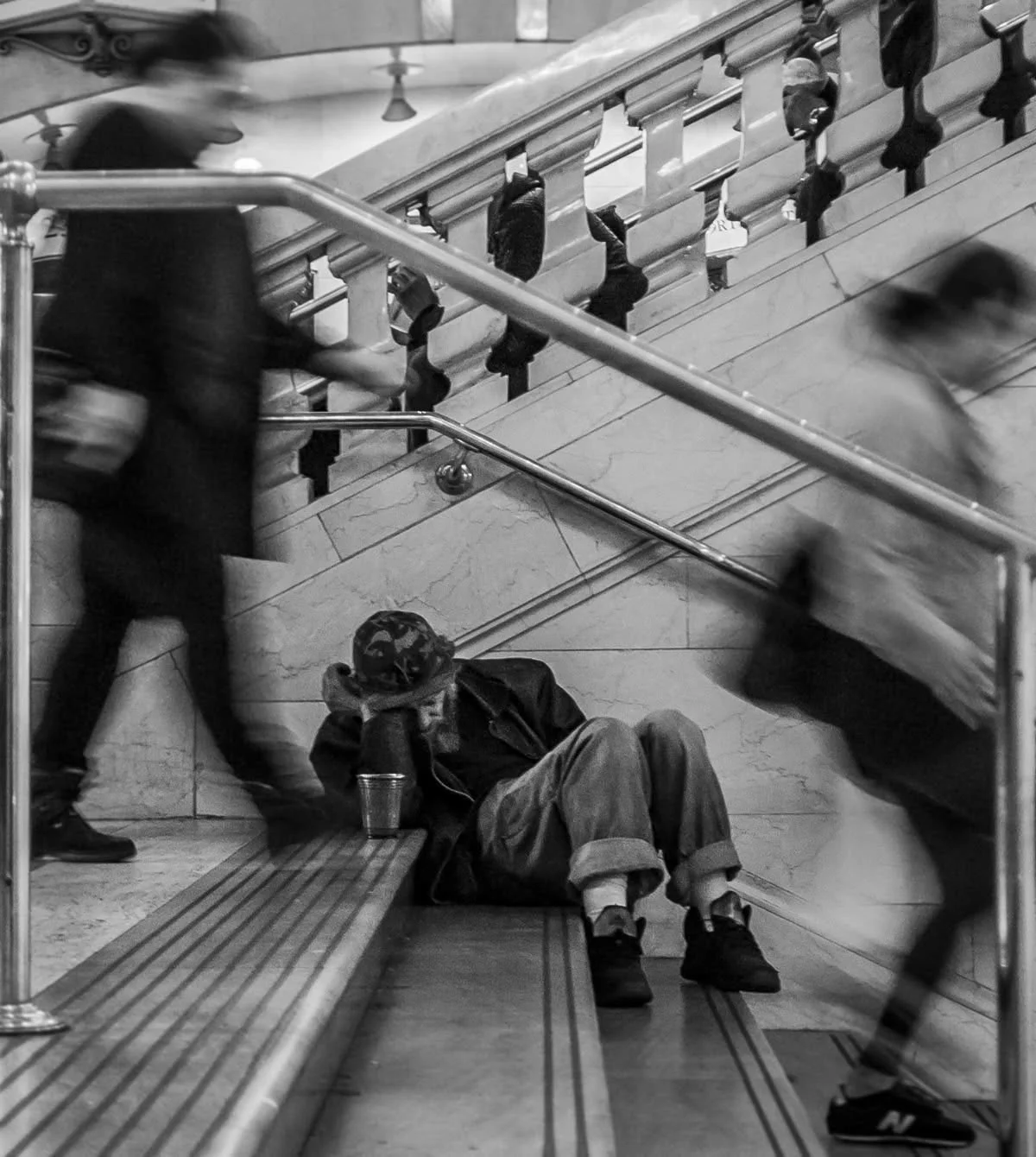
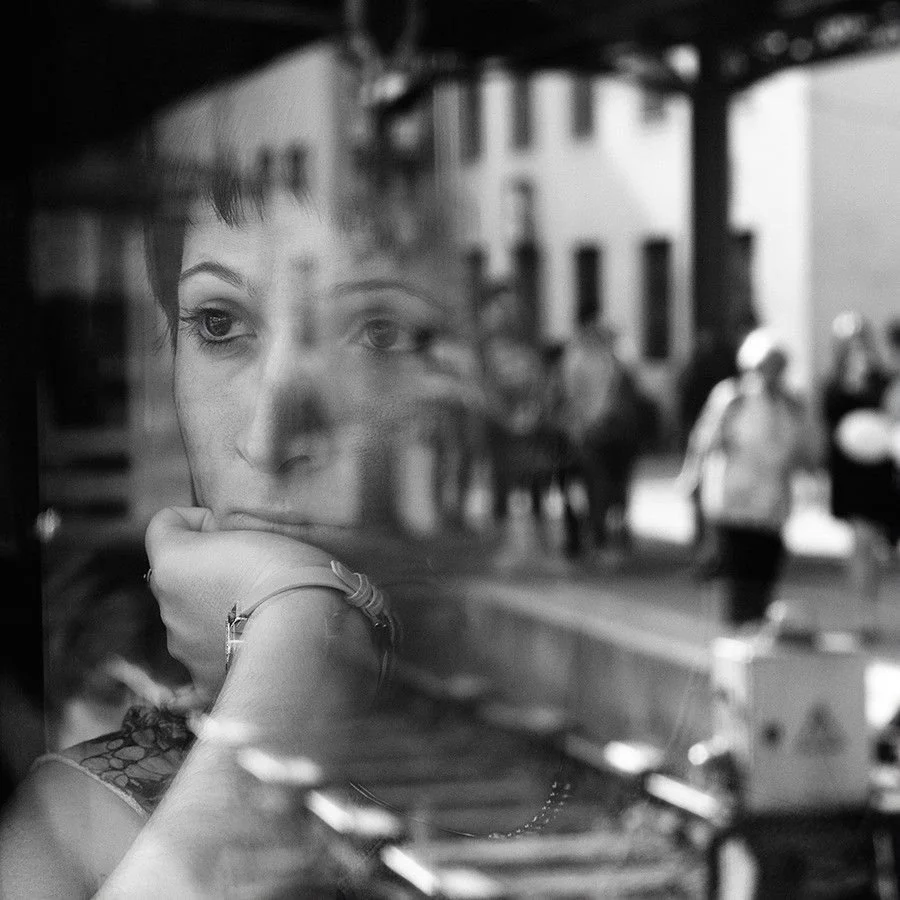
What makes her art so powerful is not spectacle or grand events, but her ability to transform the ordinary into something quietly extraordinary.
Maier moved through cities unseen.
She wandered the streets of Chicago and New York with a deep curiosity for everyday life:
children playing on sidewalks, shopkeepers sweeping their doorways, workers on their lunch breaks, strangers lost in thought.
She photographed not as a professional, but as someone driven by an inner need to document the world around her.
Her invisibility gave her access to moments most people overlook.
Her images feel intimate because she approached life without judgment—only attentiveness.
Saul Leiter: Painting with Light and Color
Saul Leiter was a quiet revolutionary—an artist who blended photography and painting into a single, poetic vision.
While the world celebrated black-and-white documentary photography, Leiter turned his lens toward something different: soft colors, foggy windows, quiet streets, and the intimate poetry of the city.
Today, he is remembered as one of the pioneers of color photography, though for decades his work remained almost invisible.
His images feel like whispers—subtle, atmospheric, and deeply emotional.
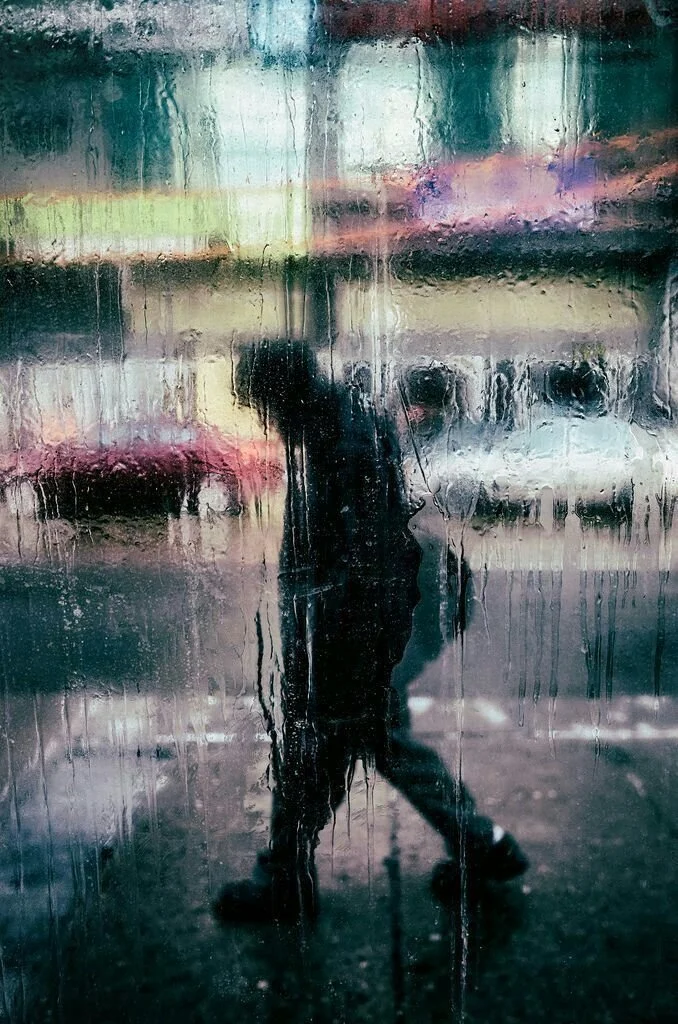
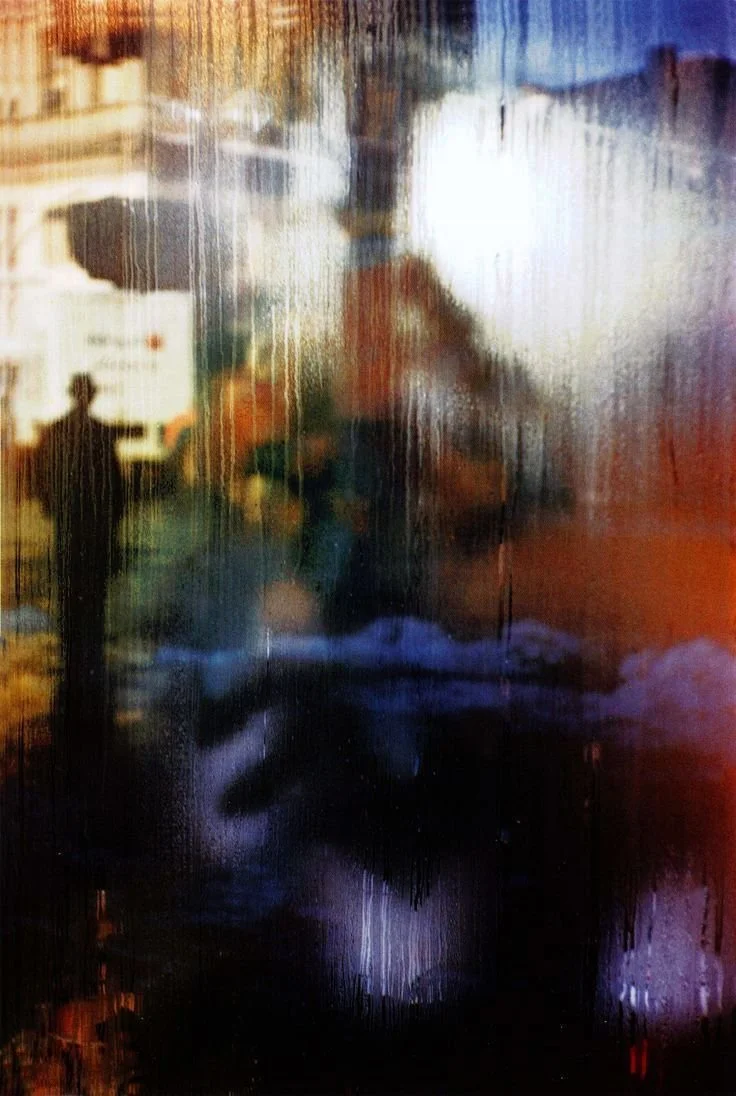
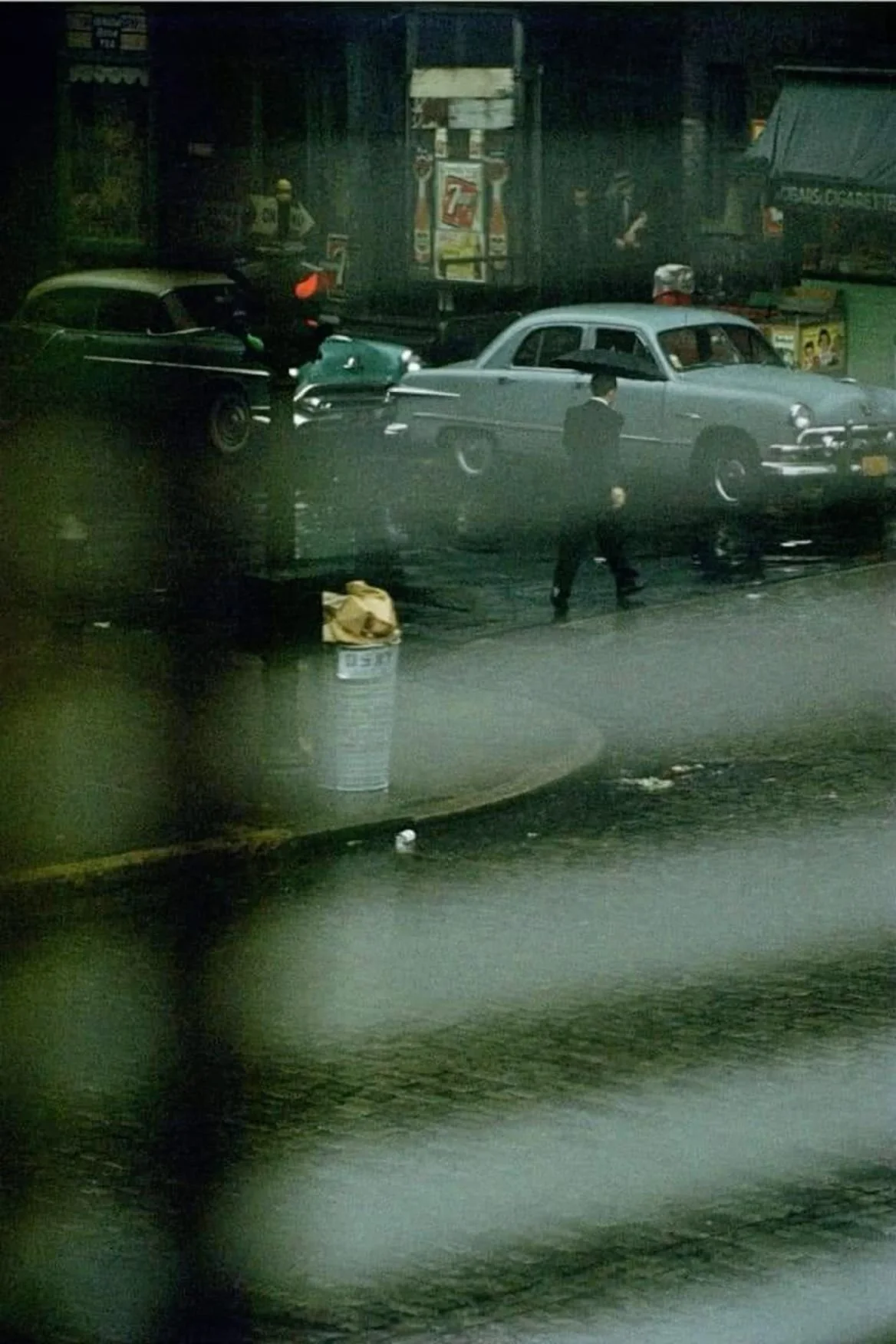
Before he was a photographer, Saul Leiter was a painter—and that painter’s sensibility stayed with him forever.
In his photographs, color is not just an element; it is the subject itself.
He layered scenes with:
dreamy reds and muted yellows
soft blues dissolving into shadow
reflections and distortions
fragments of passing figures
His compositions feel more like abstract paintings than traditional street photography.
He didn’t document reality; he interpreted it.
